Kanora
Kanora
Features03
Experimental

Analog to AirPlay

This feature starts from a simple domestic annoyance: a turntable or tape deck usually lives in one room, while the speakers you actually want to use are scattered around the house. Kanora is trying to make that path feel native rather than improvised.

What This Means

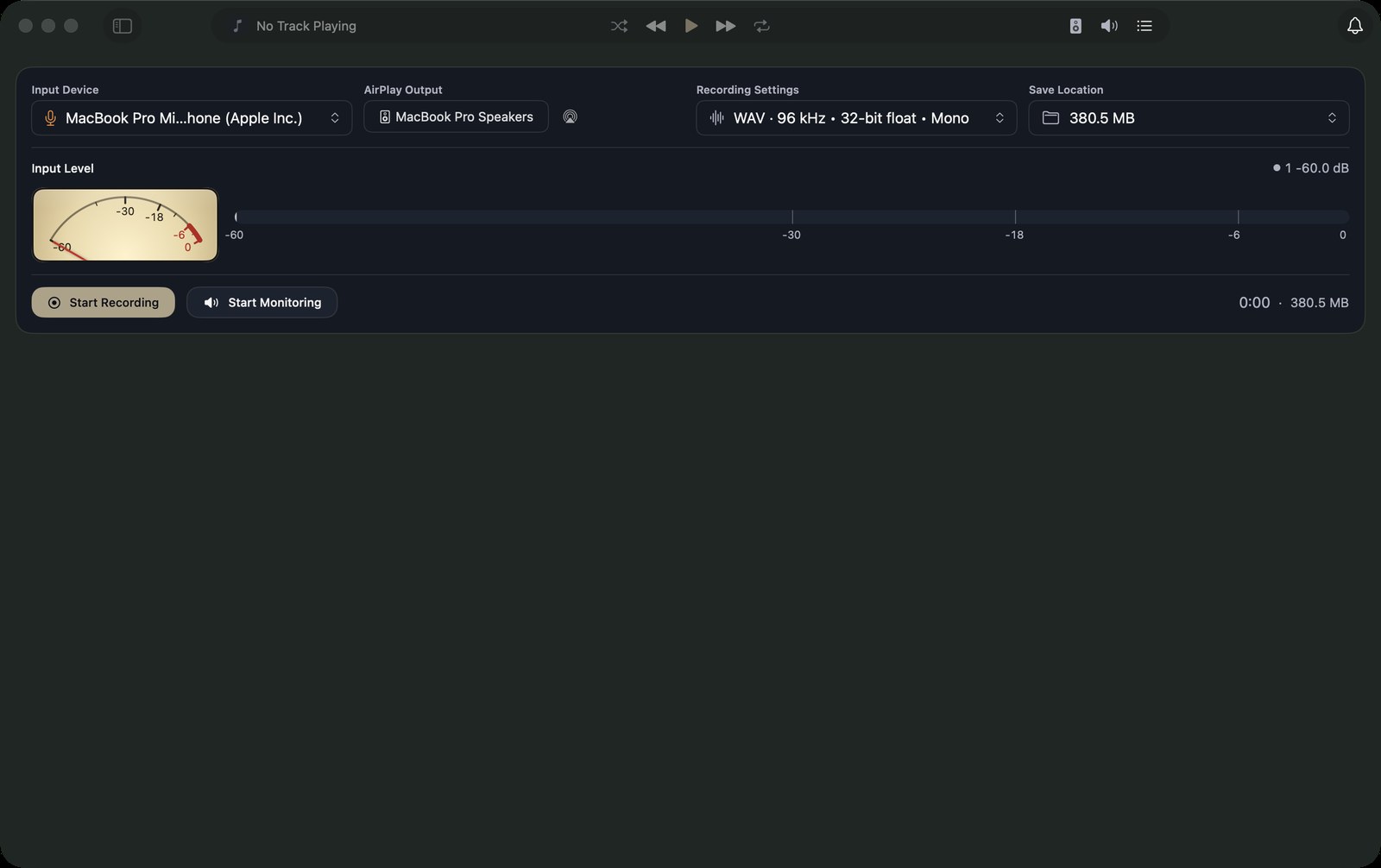
Live input monitoring with device selection and routing, aimed at letting a physical source move through the same playback system as the rest of your library.

Demo · Analog to AirPlayFocusee · ~60s

Recording brief

Open the live audio view with a turntable or USB deck connected. Select the input, show the level meters responding to music playing on the source, then route the output to an AirPlay speaker in another room. Keep the focus on the signal path — input, monitoring, output — rather than any individual control.

What It Is

The goal is not to make vinyl pretend to be streaming. It is to let an analog source pass through Kanora cleanly enough that it can join the rest of the house without losing the sense that something physical is happening at the front of the chain.

That means choosing an input, monitoring it properly, choosing an output, and preserving the option to turn the same session into a recording later if it deserves to live in the library rather than vanish when the stylus lifts.

Why It Matters

A lot of music software treats live input as a specialist tool for studio work. Kanora is taking the quieter domestic view instead: there are people with decent hi-fi setups, old sources, and multiple rooms who would like those pieces to coexist without buying into a separate ecosystem just for convenience.

If it works well, the result is not flashy. It just means your turntable can join your normal listening life instead of becoming a special-case object that only works in one place.

Current Shape

The monitoring and routing foundation is already visible in the app, and the recording handoff is there too. What remains is the hard part you can hear rather than describe: timing, stability, and making sure the route feels dependable enough that you stop thinking about the software and go back to the record.